

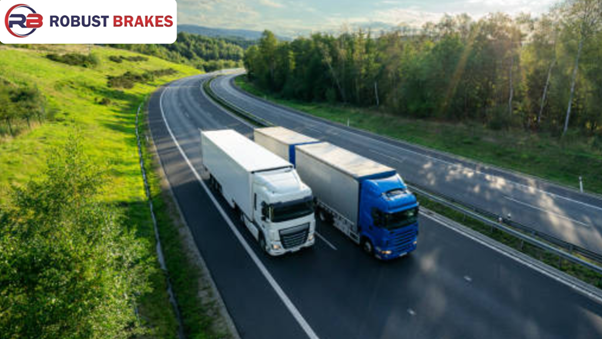
When it comes to heavy-duty trucks, reliable braking is not optional—it is essential. Trucks and commercial vehicles operate under demanding conditions, carrying heavy loads, traveling long distances, and frequently dealing with steep grades, traffic, and changing road conditions. The brake system must be capable of safely bringing the vehicle to a controlled stop, time after time.
Brake shoes are a critical component in many heavy-duty drum brake systems. Choosing the wrong brake shoes can result in poor braking performance, accelerated wear, increased maintenance costs, and potentially serious safety issues.
So, how do you choose the right brake shoes for a heavy-duty truck?
This guide covers the key factors fleet managers, truck owners, mechanics, and parts buyers should consider before purchasing replacement brake shoes.
What Are Brake Shoes?
Brake shoes are curved metal components used in drum brake systems. They typically have a friction lining attached to their outer surface. When the driver applies the brakes, the shoes are pushed outward against the inside surface of the brake drum. The resulting friction slows the wheel and brings the vehicle to a stop.
Heavy-duty trucks may use different brake shoe designs depending on the vehicle, axle, brake assembly, operating conditions, and manufacturer specifications.
Because brake shoes directly affect braking performance, selecting a compatible, high-quality component is extremely important.
Why Choosing the Correct Brake Shoes Matters
Not all brake shoes are interchangeable. Even brake shoes that appear similar may differ in dimensions, lining material, mounting configuration, or application.
Using the correct brake shoes can help provide:
- Consistent braking performance
- Proper fit within the brake assembly
- Reliable friction and stopping performance
- Controlled wear
- Longer service life
- Reduced maintenance requirements
- Better compatibility with the brake drum and other components
- Improved overall vehicle safety
For heavy-duty applications, the consequences of using an unsuitable brake component can be much greater than simply replacing a worn part sooner.
1. Identify the Truck and Brake System
The first step is to identify the exact vehicle and brake application.
Start by confirming details such as:
- Truck make and model
- Model year
- Axle type
- Brake system manufacturer
- Brake chamber specifications, where applicable
- Front or rear axle application
- Brake shoe size
- Existing brake shoe part number
Heavy-duty trucks can use different brake configurations, even within the same vehicle model. Therefore, relying only on the truck's make and model may not always be enough.
Whenever possible, use the original equipment part number or the manufacturer's application information to identify the correct replacement.
2. Check Brake Shoe Dimensions
Brake shoe dimensions are another critical factor when selecting the correct replacement. Even small differences in size or design can affect how the shoe fits within the brake assembly and how it contacts the brake drum.
Before purchasing, verify measurements such as:
- Brake shoe width
- Brake shoe diameter
- Overall shoe length
- Lining thickness
- Mounting hole locations
- Web and flange configuration
Whenever possible, compare the dimensions with the original component or the manufacturer's specifications. Correct dimensions help ensure proper installation, even contact with the drum, and reliable braking performance.
3. Consider the Friction Material
The friction lining is one of the most important parts of a brake shoe because it creates the friction needed to slow the vehicle.
Different friction materials are designed for different operating conditions. Factors such as temperature resistance, wear characteristics, stopping performance, and operating environment can vary between materials.
For heavy-duty trucks, the brake lining should be selected according to the vehicle's application rather than simply choosing the cheapest available option.
For example, a truck that regularly carries heavy loads through mountainous terrain may place significantly different demands on its braking system than a vehicle operating mostly on flat highways with lighter loads.
4. Think About the Truck's Operating Conditions
How and where a truck operates can influence the type of brake shoe that is appropriate.
Consider:
- Average load weight
- Maximum gross vehicle weight
- Highway versus city driving
- Frequency of stop-and-go traffic
- Mountain or steep-grade operation
- Long-distance hauling
- Trailer applications
- Temperature and weather conditions
- Frequency of braking
A vehicle operating in demanding conditions may require brake components designed to withstand higher thermal and mechanical loads.
Understanding the truck's actual working environment helps ensure that the brake shoe is suited to the job.
5. Verify Brake Drum Compatibility
Brake shoes work together with brake drums, so compatibility between these components is essential.
A brake shoe should have the correct dimensions and lining characteristics for the brake drum. The condition of the drum should also be inspected whenever brake shoes are replaced.
A worn, cracked, excessively scored, or improperly machined drum can affect braking performance and may contribute to premature brake shoe wear.
Replacing brake shoes without checking the condition of the brake drum can therefore lead to disappointing results, even when the new shoes themselves are high quality.
6. Don't Ignore Brake Shoe Quality
Price is important when managing a commercial vehicle fleet, but brake components are not an area where purchasing decisions should be based solely on the lowest initial cost.
Quality brake shoes should offer reliable manufacturing, consistent dimensions, suitable friction material, and dependable performance for the intended application.
A low-cost component that wears prematurely or performs inconsistently can ultimately cost more because of:
- More frequent replacement
- Additional labor
- Vehicle downtime
- Increased maintenance
- Potential damage to related brake components
The goal should be to find the right balance between quality, performance, service life, and cost.
7. Check the Part Number Carefully
One of the easiest ways to reduce the risk of ordering an incompatible brake shoe is to verify the part number.
Compare the replacement part number against:
- The original brake shoe
- The truck manufacturer's catalog
- The brake manufacturer's specifications
- A trusted heavy-duty parts supplier's application data
Do not assume that a part is compatible simply because it is marketed for a similar truck.
Cross-reference information should always be checked carefully before installation.
8. Inspect the Complete Brake Assembly
When replacing brake shoes, it is a good practice to inspect the surrounding brake components rather than focusing only on the shoes.
Depending on the brake system, inspection may include:
- Brake drums
- Rollers
- Return springs
- Retainers
- Anchor pins
- Bushings
- Slack adjusters
- Camshaft components
- Brake chambers
- Related hardware
Worn supporting components can affect the operation and service life of new brake shoes.
If other components are damaged or excessively worn, replacing only the brake shoes may not resolve the underlying problem.
9. Replace Brake Shoes Correctly
Even the best brake shoes will not perform properly if they are installed incorrectly.
Installation should be performed according to the appropriate service procedures and specifications. Technicians should ensure that the shoes are correctly positioned and that the associated hardware is in suitable condition.
After installation, the brake system should be inspected and adjusted as required for the specific brake design.
Proper installation is particularly important for commercial vehicles because they operate under substantial loads and may accumulate high mileage quickly.
10. Consider Fleet Maintenance Requirements
For fleet operators, brake shoe selection should also be viewed from a maintenance perspective.
Keeping consistent records of brake inspections and replacements can help identify:
- Premature wear
- Uneven wear patterns
- Recurring brake problems
- Differences between vehicle applications
- Appropriate replacement intervals
If a particular brake shoe consistently delivers better service life and performance in a specific application, that information can help fleet managers make more informed purchasing decisions.
Common Mistakes to Avoid
Choosing brake shoes based only on price is one common mistake. Other mistakes include selecting a part based on appearance, failing to verify dimensions, ignoring the brake drum condition, or overlooking the truck's operating environment.
Avoid:
- Buying without confirming compatibility
- Assuming similar-looking shoes are interchangeable
- Ignoring the manufacturer's specifications
- Replacing shoes without inspecting the drum
- Reusing damaged brake hardware
- Delaying replacement despite excessive wear
- Treating all heavy-duty truck applications as identical
A careful selection process can prevent many avoidable brake problems.
When Should Heavy-Duty Truck Brake Shoes Be Replaced?
Brake shoe replacement intervals vary depending on the vehicle, brake system, load, driving conditions, maintenance practices, and friction material.
Instead of relying on mileage alone, brake shoes should be inspected regularly for signs of wear or damage.
Possible warning signs include:
- Reduced braking performance
- Uneven brake wear
- Unusual noises during braking
- Visible cracks or damage
- Excessively worn friction lining
- Brake adjustment problems
- Pulling or inconsistent braking
- Overheating or abnormal drum temperatures
If a braking problem is suspected, the vehicle should be inspected by a qualified technician promptly.
How to Choose a Reliable Brake Shoe Supplier
The supplier you choose can be just as important as the part itself.
Look for a supplier that understands heavy-duty brake applications and can provide accurate product information, application guidance, and consistent-quality components.
A dependable supplier should be able to help you verify:
- Correct application
- Part number
- Dimensions
- Friction material
- Compatibility
- Availability
- Product specifications
For fleet operators and commercial vehicle owners, having a reliable source for replacement brake components can also make maintenance planning easier.
Final Thoughts
Choosing the right brake shoes for a heavy-duty truck requires more than matching a product to the vehicle's make and model. You need to consider the brake system, dimensions, friction material, operating conditions, brake drum compatibility, product quality, and the condition of related components.
The right brake shoe can contribute to dependable braking performance, predictable wear, and efficient maintenance. More importantly, selecting the correct component helps support the safety and reliability of vehicles that spend thousands of miles on the road.
When in doubt, always verify the application and specifications with a qualified technician or trusted brake-component supplier before installation.
Choose Robust Brakes for Heavy-Duty Brake Solutions

At Robust Brakes, we understand the demands placed on heavy-duty commercial vehicle braking systems. We are committed to supplying reliable brake components designed to meet the needs of truck owners, fleet operators, distributors, and the heavy-duty vehicle industry.
Whether you need brake shoes or other braking components, our team can help you identify the right solution for your application. Visit robustbrakes.com to learn more about our products and connect with Robust Brakes for your heavy-duty braking requirements.
