


Brakes are among the most important safety components in any vehicle, but not every braking system uses the same type of friction component. Two of the most common terms you will hear are brake shoes and brake pads.
Although both components perform the same basic job—creating friction to slow or stop a vehicle—they are designed for different types of brake systems and work in different ways.
Understanding the difference between brake shoes and brake pads can help vehicle owners, fleet managers, mechanics, and parts buyers choose the right replacement components and maintain braking systems more effectively.
In this guide, we explain how brake shoes and brake pads work, where they are used, their key differences, and what to consider when replacing them.
What Is a Brake Shoe?
A brake shoe is a friction component primarily used in a drum brake system.
A typical brake shoe consists of a curved metal backing plate with friction material attached to its outer surface. When the brake pedal is pressed, the brake mechanism pushes the shoe outward against the inner surface of a rotating brake drum.
The friction between the brake lining and drum converts the vehicle's kinetic energy into heat, slowing the wheel and helping bring the vehicle to a stop.
Brake shoes are commonly found in:
- Heavy-duty trucks
- Commercial vehicles
- Trailers
- Buses
- Some passenger vehicles
- Parking brake systems
The exact design of a brake shoe varies depending on the brake assembly and vehicle application.
What Is a Brake Pad?
A brake pad is a friction component used in a disc brake system.
Instead of pressing against the inside of a drum, brake pads are positioned on either side of a rotating brake disc, also called a rotor. When the brakes are applied, the caliper pushes the pads against the rotor.
The resulting friction slows the rotor and therefore slows the wheel.
Brake pads are commonly used on:
- Passenger cars
- SUVs
- Pickup trucks
- Commercial vehicles
- Some heavy-duty applications
- Performance vehicles
Brake pads are available in different friction materials and designs depending on the vehicle and operating requirements.
Brake Shoe vs. Brake Pad: The Basic Difference
The simplest way to understand the difference is this:
Brake shoes are generally used with drum brakes, while brake pads are generally used with disc brakes.
Both create friction, but they interact with different rotating components.
| Feature | Brake Shoe | Brake Pad |
|---|---|---|
| Common brake system | Drum brake | Disc brake |
| Friction surface contacts | Inside of brake drum | Brake rotor/disc |
| Typical shape | Curved | Generally flat or shaped to fit the caliper |
| Main supporting assembly | Brake shoe and drum mechanism | Brake caliper and rotor |
| Common applications | Trucks, trailers, buses, some cars | Cars, SUVs, trucks, commercial vehicles |
| Common replacement term | Brake lining/shoe | Brake pad |
The exact design can vary, so the vehicle's brake system should always be verified before purchasing replacement parts.
How Do Brake Shoes Work?
In a drum brake system, the brake shoe sits inside the brake drum.
When the driver applies the brakes, hydraulic, pneumatic, or mechanical force activates the brake mechanism. This causes the brake shoe to move outward and contact the inner surface of the drum.
The friction generated between the shoe lining and drum reduces the rotational speed of the wheel.
When the brake is released, the shoes move away from the drum, allowing the wheel to rotate freely.
Heavy-duty vehicles may use sophisticated drum brake arrangements designed to handle substantial loads and repeated braking.
How Do Brake Pads Work?
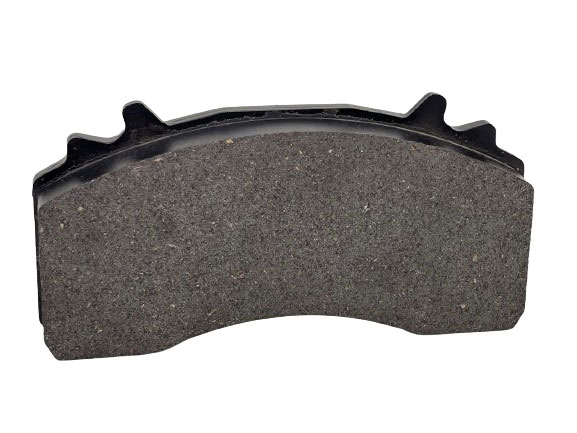
Brake pads operate through a disc brake assembly.
When the driver presses the brake pedal, hydraulic pressure moves the caliper piston. The piston pushes the brake pad against the rotating rotor. In many disc brake designs, the caliper arrangement causes the pads to clamp the rotor from both sides.
Friction between the pads and rotor slows the wheel.
When the brake is released, the pads move away from the rotor enough to allow normal wheel rotation.
Disc brakes are widely used because of their braking characteristics and ability to dissipate heat effectively under many operating conditions.
Why Do Heavy-Duty Trucks Use Brake Shoes?
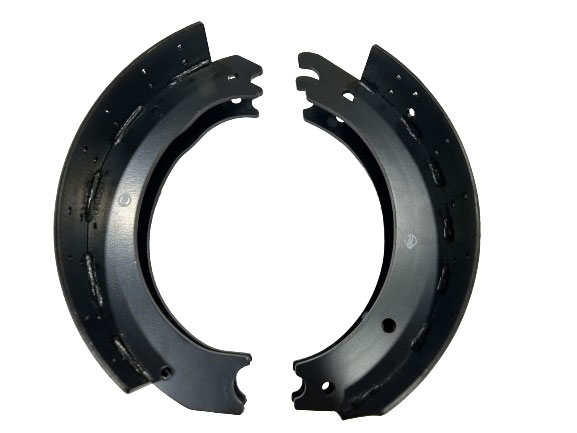
Drum brakes and brake shoes remain important in heavy-duty vehicle applications.
Heavy-duty trucks operate under demanding conditions, including high vehicle weights, long-distance travel, frequent braking, and heavy loads. Drum brake systems have long been used in commercial vehicles because of their durability, enclosed design, and suitability for certain heavy-duty applications.
The choice between a drum brake system and disc brake system depends on the vehicle design, axle configuration, manufacturer specifications, operating conditions, and regulatory or fleet requirements.
For this reason, a truck owner should never assume that brake pads can replace brake shoes—or vice versa.
They are components designed for different brake system architectures.
Key Differences Between Brake Shoes and Brake Pads
1. Brake System
The biggest difference is the type of brake system.
Brake shoes work with drum brakes, while brake pads work with disc brakes.
Before ordering a replacement, identify which braking system the vehicle uses.
2. Contact Surface
Brake shoes press against the inside of a brake drum.
Brake pads clamp against the surface of a brake rotor.
Because the contact surfaces are completely different, the components are not interchangeable.
3. Shape and Design
Brake shoes are generally curved so that their friction lining follows the shape of the brake drum.
Brake pads are generally designed as flatter friction elements that fit into a disc brake caliper.
The physical design allows each component to work with its corresponding braking system.
4. Heat Management
Braking produces heat. How that heat is generated and dissipated depends on the entire brake system.
Disc brake systems expose the rotor more directly to surrounding air, while drum brake components operate inside an enclosed drum.
The suitability of a brake system depends on many factors, including vehicle weight, brake design, operating conditions, and required braking performance.
5. Maintenance
Both brake shoes and brake pads are wear components and require periodic inspection.
However, servicing a drum brake assembly can involve different procedures and components compared with servicing a disc brake.
With drum brakes, technicians may inspect the shoes, drum, springs, rollers, adjusters, anchors, and other hardware.
With disc brakes, inspection commonly includes the pads, rotor, caliper, and associated hardware.
Which Lasts Longer: Brake Shoes or Brake Pads?
There is no universal answer.
The service life of either component depends on factors such as:
- Vehicle weight
- Driving habits
- Load conditions
- Road environment
- Frequency of braking
- Brake system design
- Friction material
- Maintenance
- Installation quality
- Heat exposure
A heavy-duty truck that frequently carries maximum loads and operates on steep roads can experience very different brake wear compared with a lightly loaded vehicle traveling primarily on highways.
For this reason, replacement decisions should be based on inspection and manufacturer or service specifications rather than an assumed mileage figure.
Signs That Brake Shoes or Brake Pads May Need Replacement
Regardless of the type of friction component, certain warning signs should not be ignored.
These may include:
- Reduced braking performance
- Unusual squealing, grinding, or other brake noises
- Vibration during braking
- Pulling to one side
- Uneven braking
- Excessive brake pedal travel
- Visible friction material wear
- Overheating
- Abnormal wear patterns
For heavy-duty vehicles, brake inspections should be performed according to an appropriate maintenance schedule.
If a braking system shows signs of malfunction, it should be inspected by a qualified technician before the vehicle continues operating.
Can You Use Brake Pads Instead of Brake Shoes?
No. Brake pads and brake shoes are not interchangeable components.
A vehicle designed with drum brakes requires the appropriate brake shoes and associated drum-brake components. A vehicle equipped with disc brakes requires compatible brake pads and disc-brake components.
If you are unsure which component your vehicle requires, check the vehicle specifications, existing brake assembly, original part number, or consult a qualified brake professional.
Choosing the Right Brake Component
Selecting the correct friction component involves more than choosing between a shoe and a pad.
You should also consider:
- Vehicle make and model
- Brake system type
- Axle position
- Brake manufacturer
- Original equipment specifications
- Part number
- Component dimensions
- Friction material
- Vehicle load
- Operating environment
- Expected service conditions
For commercial and heavy-duty vehicles, using the correct application-specific component is particularly important because braking systems operate under substantial loads.
Why Quality Matters
Brake shoes and brake pads are safety-critical components. Product quality, correct specifications, and proper installation all contribute to reliable braking performance.
Choosing a component solely because it is inexpensive may not provide the best long-term value. A properly specified, consistently manufactured component can help support predictable braking performance and maintenance.
For fleet operators, component consistency can also simplify maintenance and parts management across multiple vehicles.
Brake Shoe or Brake Pad: Which One Does Your Vehicle Need?
The answer depends on the brake system installed on the vehicle.
If the vehicle has drum brakes, it generally requires brake shoes.
If the vehicle has disc brakes, it generally requires brake pads.
For heavy-duty trucks and commercial vehicles, it is particularly important to confirm the exact application before ordering parts. Different trucks, axles, and brake systems may require different component designs even when the vehicles appear similar.
Final Thoughts
Brake shoes and brake pads perform the same fundamental function—using friction to slow and stop a vehicle—but they do so within different brake system designs.
Brake shoes work with drum brakes, while brake pads work with disc brakes.
Knowing this distinction is essential when purchasing replacement parts. The correct component must also match the vehicle's specific brake system, dimensions, specifications, and operating requirements.
For heavy-duty trucks, choosing the right brake component is especially important because these vehicles operate with substantial loads and demanding braking requirements. Regular inspections, correct parts selection, and proper installation can all contribute to a dependable braking system.
Choose Robust Brakes for Reliable Heavy-Duty Braking Components

At Robust Brakes, we specialize in providing braking solutions for demanding commercial and heavy-duty vehicle applications. Whether you are looking for brake shoes or other brake components, our goal is to help truck owners, fleet operators, distributors, and industry professionals find reliable products suited to their requirements. Visit robustbrakes.com to explore our range and learn more about how Robust Brakes can support your heavy-duty braking needs.
